EMAIL US
sales@scanneroptics.com
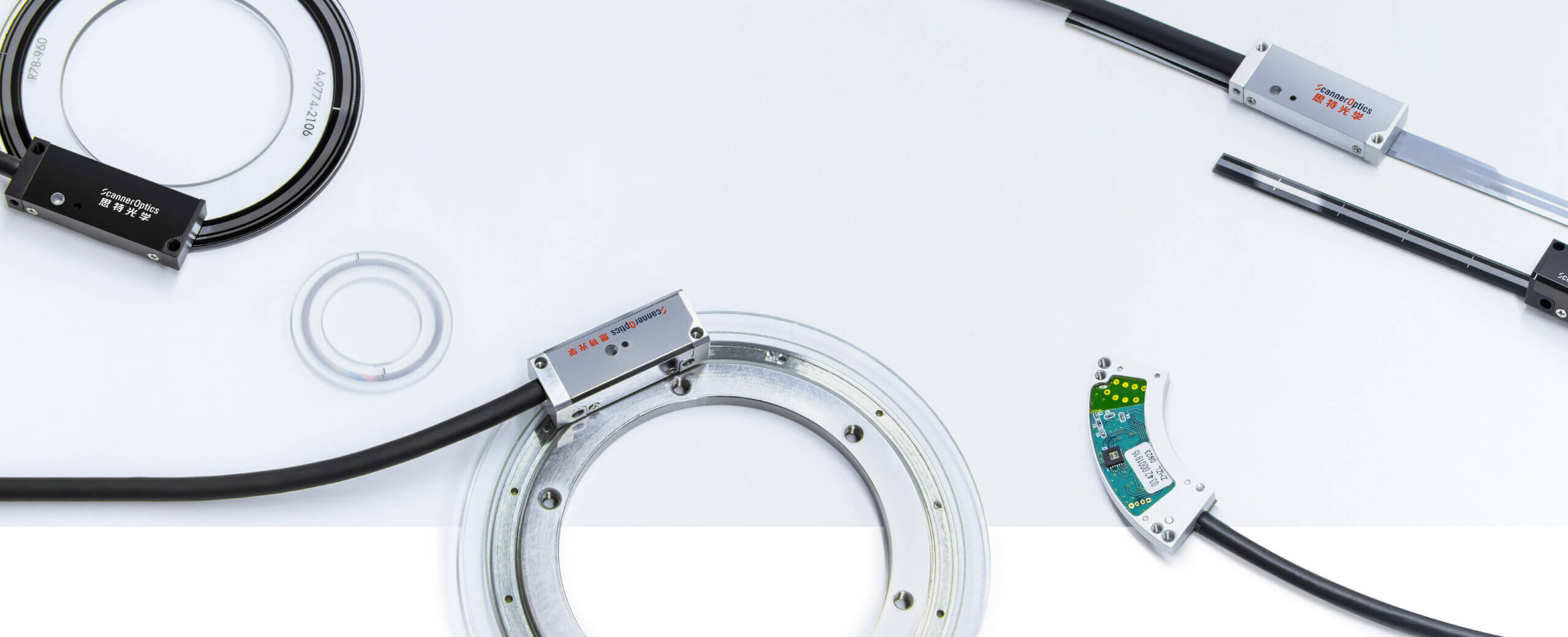
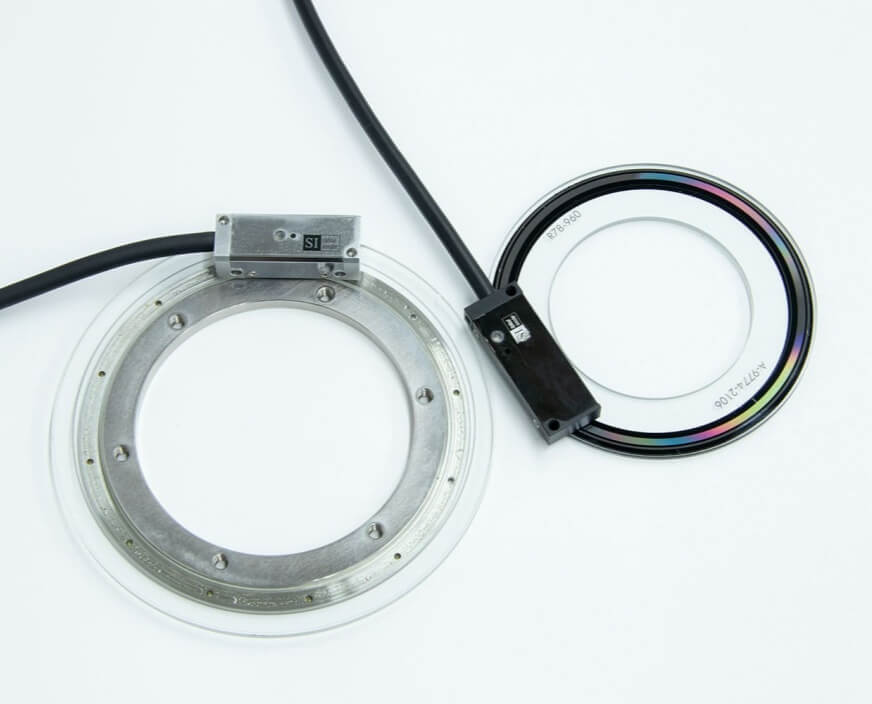
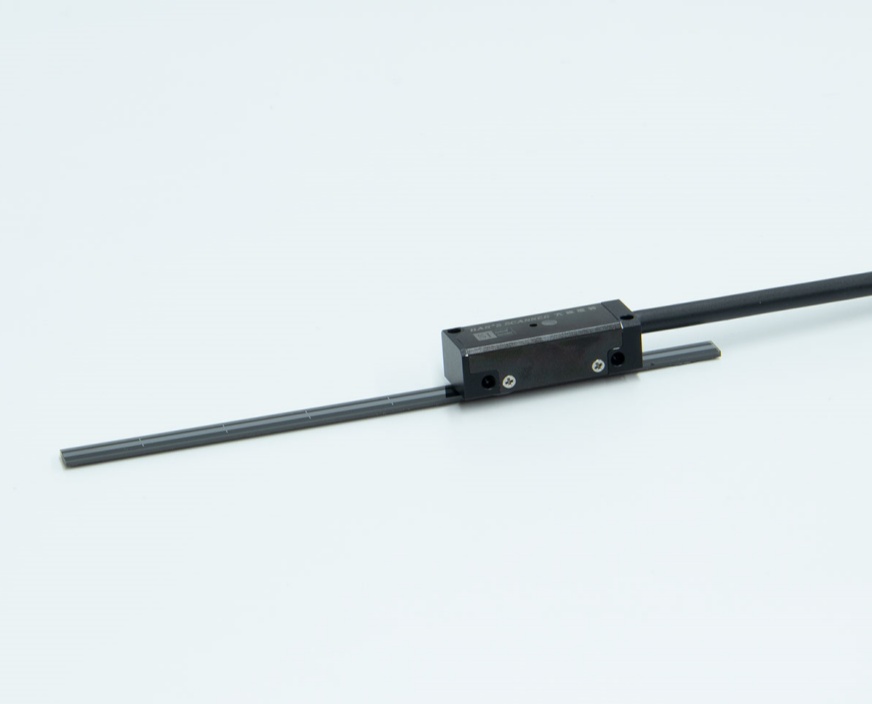
Optical encoders are precision position feedback devices that use optical sensing technology to accurately detect the position and movement of mechanical components. They typically consist of an optical scale and a readhead, which converts optical signals into digital output signals for motion control systems.
An optical encoder works by detecting changes in light patterns between an optical scale and a readhead. The optical scale contains precisely manufactured patterns, while the readhead uses a light source and sensor to capture these patterns as the scale moves or rotates.
During operation, the readhead converts optical signals into electrical signals, which are then processed by the motion control system to determine the exact position, speed, and direction of movement. This non-contact sensing method enables optical encoders to achieve high resolution, excellent repeatability, and reliable long-term performance.
Optical encoders are widely used in applications requiring precise position feedback and motion control, including galvo motors, laser marking and laser processing equipment, precision motion stages, semiconductor manufacturing equipment, and industrial automation systems. By providing accurate and reliable position feedback, optical encoders help improve motion accuracy, system stability, and overall performance in advanced industrial applications.
 zh-CN
zh-CN
 English
  日本語
日本語  한국어
한국어  français
  Deutsch
  Español
  italiano
  русский
  português
  tiếng việt